
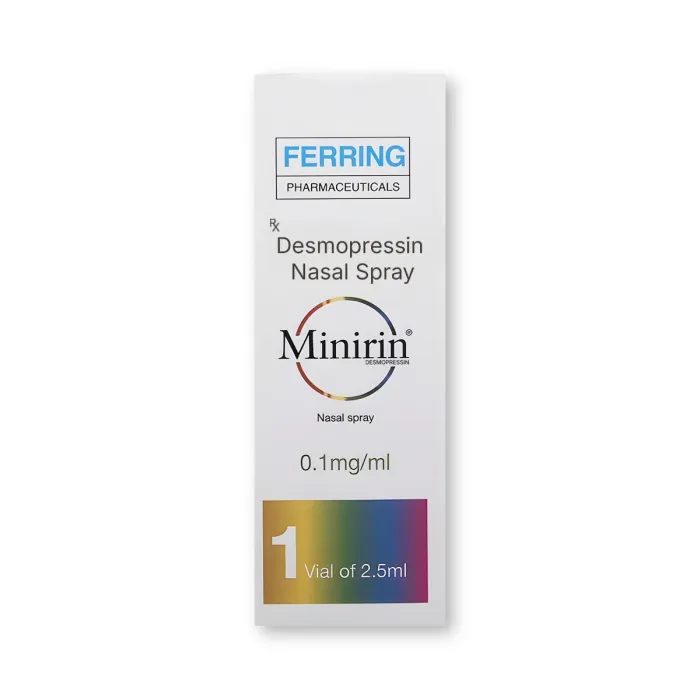
Minirin Nasal Spray 2.5 ml
Starting at just
$77.30
In stock
Only %1 left
SKU
CMS2648
Minirin Nasal Spray is a synthetic antidiuretic hormone medication used to treat central diabetes insipidus, nocturnal enuresis (bedwetting), and certain bleeding disorders. Its active ingredient is Desmopressin acetate, which is a synthetic analog of vasopressin, the natural human antidiuretic hormone.
Ferring Pharmaceuticals is the leading manufacturer of Minirin Nasal Spray, available in a 2.5 ml bottle that delivers approximately 25 metered doses. Each spray contains 10 mcg of Desmopressin acetate.
Side effects may include nasal congestion, Rhinitis, headache, and in rare cases, Hyponatremia (low blood sodium). The medication should be used cautiously in patients with conditions that might be aggravated by fluid retention.
Store the spray upright at room temperature, protected from light, and keep refrigerated before opening. Once opened, use within 6 weeks. Avoid freezing the solution and keep it out of reach of children.
Minirin Nasal Spray contains Desmopressin, which mimics the action of antidiuretic hormone (ADH) by increasing water reabsorption in the kidneys. This reduces urine volume and increases urine concentration, helping control fluid balance in the body.
The benefits of Minirin spray include:
It is crucial to note that fluid intake should be carefully regulated while using this medication to prevent water intoxication and Hyponatremia.
Minirin Nasal Spray is a prescription medication that should be taken as per your doctor's instructions. Here are the general guidelines:
The strengths and substitutes available for Minirin spray are:
| $26.74 |
Minirin Nasal Spray is generally well-tolerated when used as directed. However, it may cause side effects, including:
These adverse effects generally do not require medical consultation unless severe or persistent. However, symptoms of Hyponatremia require immediate medical attention.
 Liver disease
People with mild to moderate liver impairment should use Minirin with caution, as the metabolism of Desmopressin may be affected. Dose reduction may be necessary, and liver function should be monitored regularly. Avoid use in severe liver disease unless the benefits outweigh the risks. Consult a doctor for safety.
 Kidney impairment
Minirin spray should be used cautiously in patients with moderate to severe kidney impairment (creatinine clearance below 50 mL/min). These patients are at increased risk of water retention and Hyponatremia. Regular monitoring of serum sodium levels and kidney function is essential. Consult a doctor for safety.
 Pregnant and breastfeeding women
Limited data exist on Minirin use during pregnancy, but animal studies show no harmful effects. It should be used only if needed, and the potential benefits outweigh the risks. Desmopressin passes into breast milk in small amounts, but effects on breastfed infants are unlikely at therapeutic doses. Consult your doctor before use.
 Avoid
Avoid
Avoid excessive fluid intake while using Minirin spray to prevent water retention and low sodium levels. Also, avoid alcohol and medications like NSAIDs, SSRIs, and tricyclic antidepressants that can increase the medication’s effects. Do not use nasal decongestants that may interfere with absorption, and avoid activities requiring mental alertness if you feel dizzy.
Minirin spray begins working within 15-30 minutes after administration. The antidiuretic effect peaks at 1-5 hours and lasts 8-12 hours. However, results can vary depending on the individual response and dosage.
Avoid using Minirin spray during nasal congestion or infection, as absorption may be inconsistent. Consult your doctor about temporary dosage adjustments or alternative formulations during illness.
If you remember, take the missed dose of Minirin spray within 1-2 hours of the scheduled time. If it's almost time for your next dose, leave the missed one and resume with your regular schedule. Never take a double dose.
Yes, children can use Minirin spray for approved indications like central diabetes insipidus and nocturnal enuresis (typically over age 5). However, a physician must carefully determine dosing based on the child's weight and response.
Store unopened Minirin Nasal Spray in the refrigerator (2-8°C). After opening, it can be stored at room temperature (below 25°C) for up to 6 weeks. Keep the bottle upright and protected from light.